In the Ardèche, hemp has long been a central part of village life, from the fields of Le Teil to the hemp fields of Mayres. This textile expertise has gradually given way to the gathering of medicinal plants, and subsequently to a professional sector specialising in aromatic plants. Today, CBD continues this botanical tradition, derived from the same species as the hemp once grown in the region. At Valvi Chanvre, this continuity takes the form of organic open-field cultivation, deeply rooted in the Ardèche terroir.
Hemp, a plant that was once a feature of rural life in the Ardèche
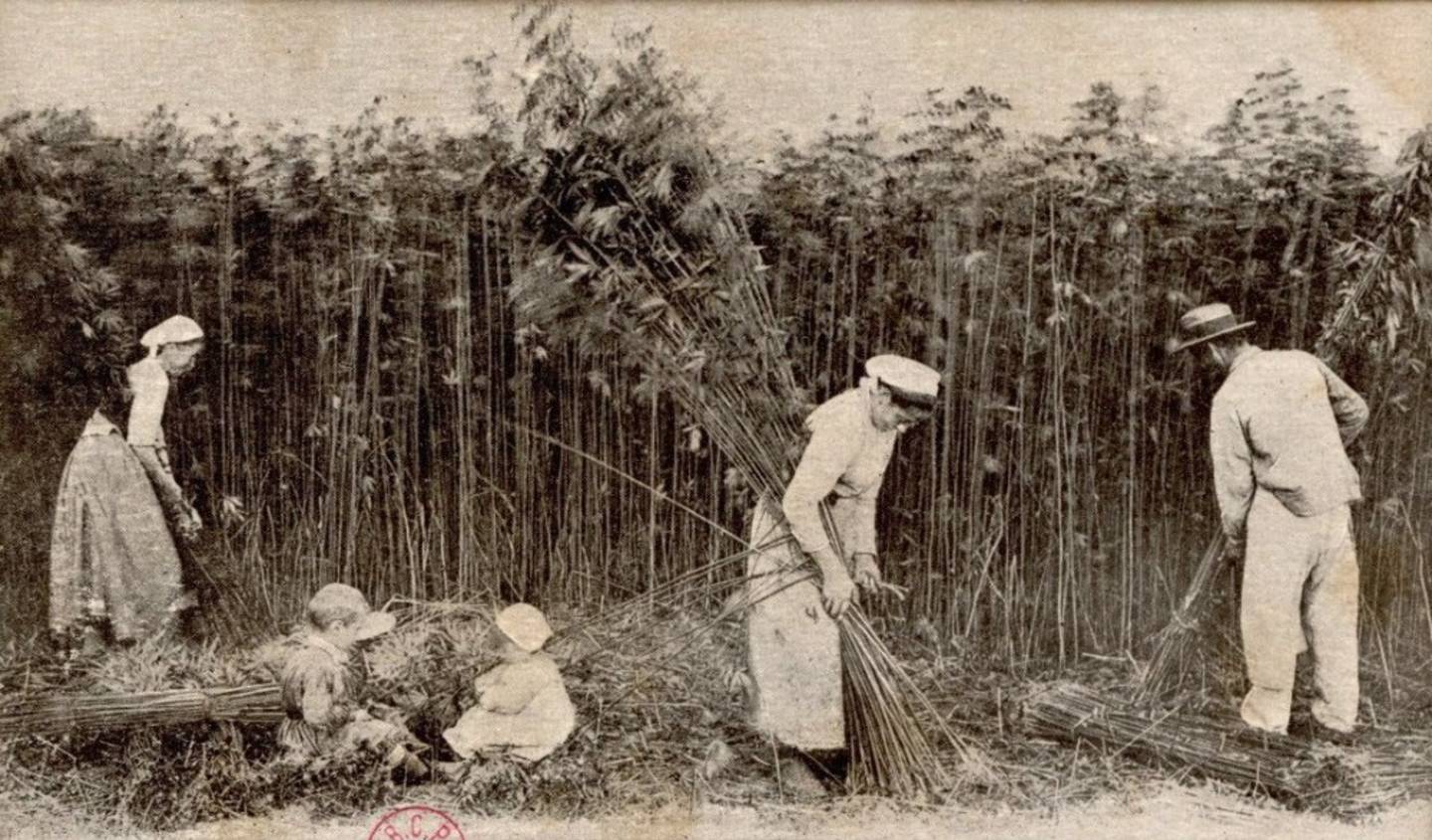
In several villages in the Vivarais region, the hemp fields have left a distinct mark on local memory. The municipality of Le Teil points out that this plant played an important role in the village economy and that it was scutched * on site. Situated on the banks of the Rhône, the village also made use of its river port to transport cloth and textiles to neighbouring regions. Further south, a study focusing on the Bas-Vivarais mentions plots of land laid out along streams, which were well-suited to this activity. In Mayres*, the hamlet known as Les Chanabéïres is a reminder of the widespread cultivation of hemp and the associated water rights, alongside the kitchen garden and the land set aside for rye.
Textile hemp production
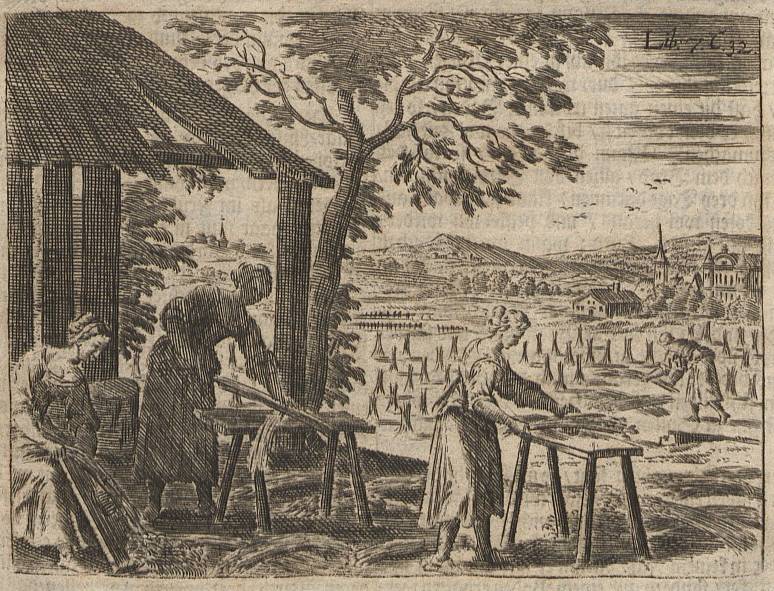
After being retted in streams, the hemp stalks were processed over the winter by the peasants, who separated the fibre from the bark using a wooden tool called a ‘teilleuse’ during their evening gatherings. The resulting fibre was used to make cloth, linen and clothing, as well as strong ropes for a variety of purposes. This artisanal production relied above all on the self-sufficiency of farming families, who were able to meet a large part of their own textile needs.
At that time, farmers were only interested in the fibres from the stem, at a time when there was no specific legislation governing its cultivation, long before the plant came to be valued for other uses.
Medicinal plants in Ardèche folk culture
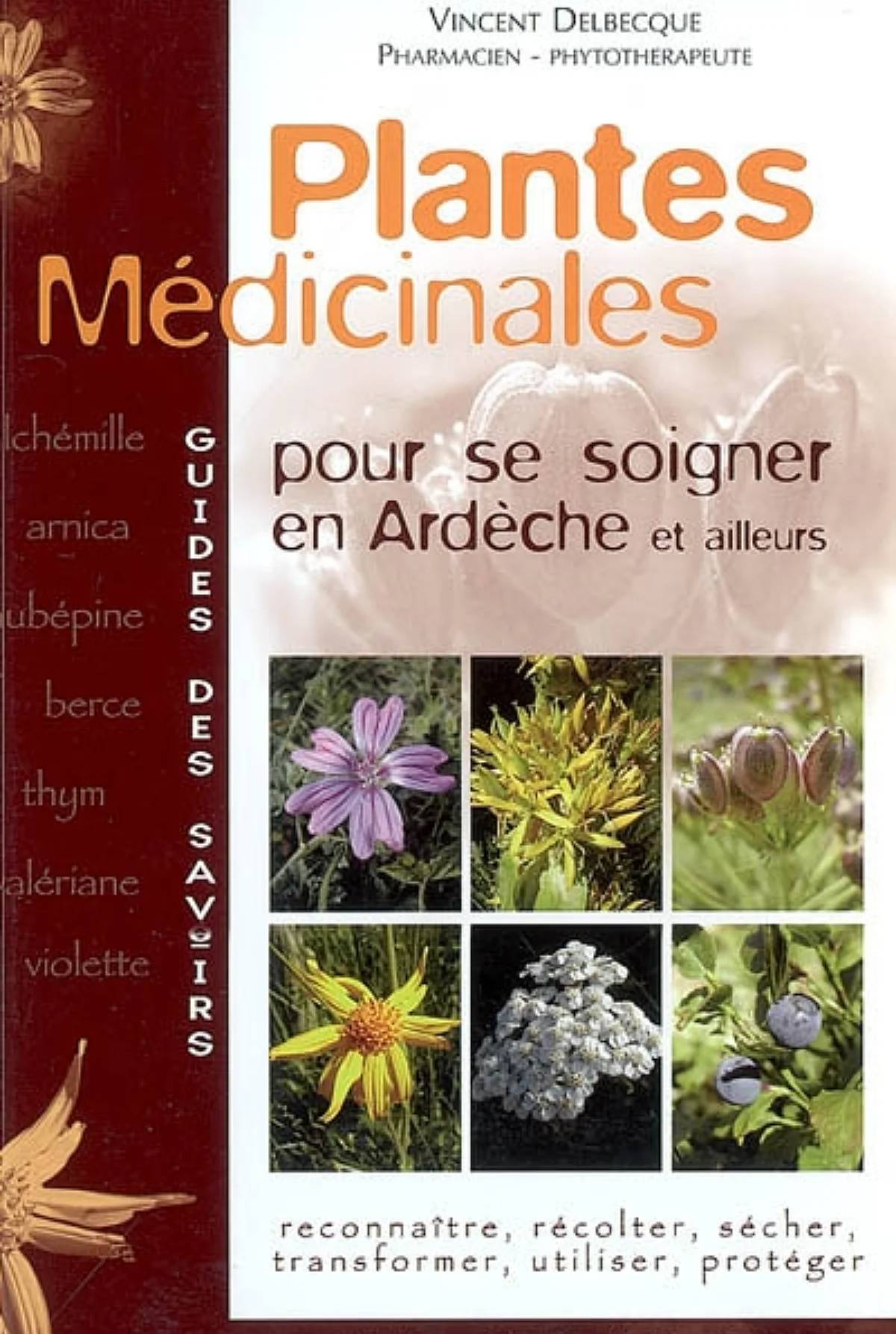
On the Ardèche plateau, at least since the 19th century, the local people have supplemented their daily lives by gathering a wide variety of edible and medicinal plants that were available at the time. Certain species, known for their soothing effects, were used to treat common ailments in rural areas where access to medical care remained limited. This knowledge was passed down from generation to generation, without any written records, through family traditions. Generally, women and children would gather these plants after a day’s work in the fields. Arnica, known for its pain-relieving properties, wild pansies and cat’s foot were among the plants harvested, which were occasionally sold at local markets.
The herbalist sector in the Ardèche
Gradually, this family tradition led producers to establish a fully-fledged professional sector. As early as 1982, the founding of Viva-Fleurs marked a decisive turning point, followed in 1991 by that of PAM Ardèche. Today, the Ardèche aromatic and medicinal plant sector brings together nearly a hundred growers and harvesters, organised into several cooperatives. Generally speaking, these organisations share responsibility for harvesting and marketing, with quality standards reinforced by certification schemes such as Ecocert for organic farming.
In particular, it specialises in yarrow, hyssop, dandelion and sweet mint – prized for its aroma – which are cultivated or harvested to meet the needs of laboratories and herbalists.
CBD: a new expression of this plant-based culture
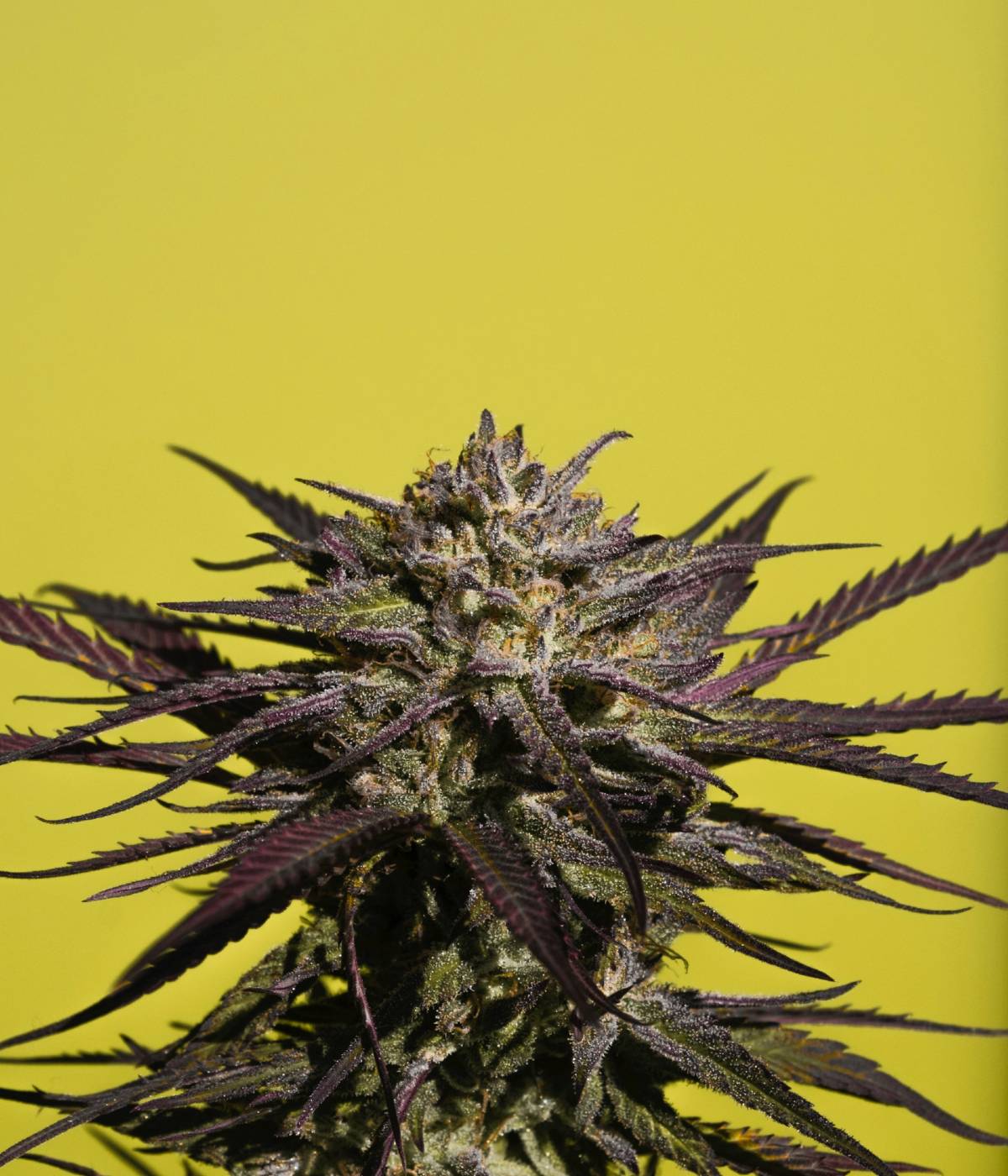
The flowers now sought after for their CBD content come from the same species as the fibre hemp once grown in the region: the hemp plant Cannabis sativa L. However, they are selected according to different criteria: the focus is now on cannabinoids and the development of aromas rather than fibre length. Unlike industrial hemp, which is harvested for its stalks, this production method prioritises the flowering tops of the plant, from which the CBD flowers available today are derived.
The current production of CBD in the Ardèche thus represents a new and recent agricultural application, applied to a plant that has been well known in the Vivarais region and throughout France since time immemorial*. Its cultivation remains strictly regulated under French law, with limited and controlled THC levels, regardless of the variety grown, and the seeds used are certified. The benefits of CBD for relaxation and general wellbeing are attracting a growing number of consumers.
Local Produce and CBD in the Ardèche
The Ardèche’s terrain encompasses a wide variety of soils and climates, from the Rhône valleys up to the heights of the plateau. Farms here often consist of small plots, particularly in the mid-mountain areas where mechanisation remains limited. This environment has encouraged specialised crops and agricultural diversification, with an approach to terroir shaped by these natural constraints. Viticulture, arboriculture and the cultivation of aromatic plants have long been practised in these same areas, well before the more recent arrival of this new form of production. CBD producers are thus joining an economy centred on plant-based production, which is firmly established in the region.
How does Valvi Chanvre grow its CBD in the Ardèche?
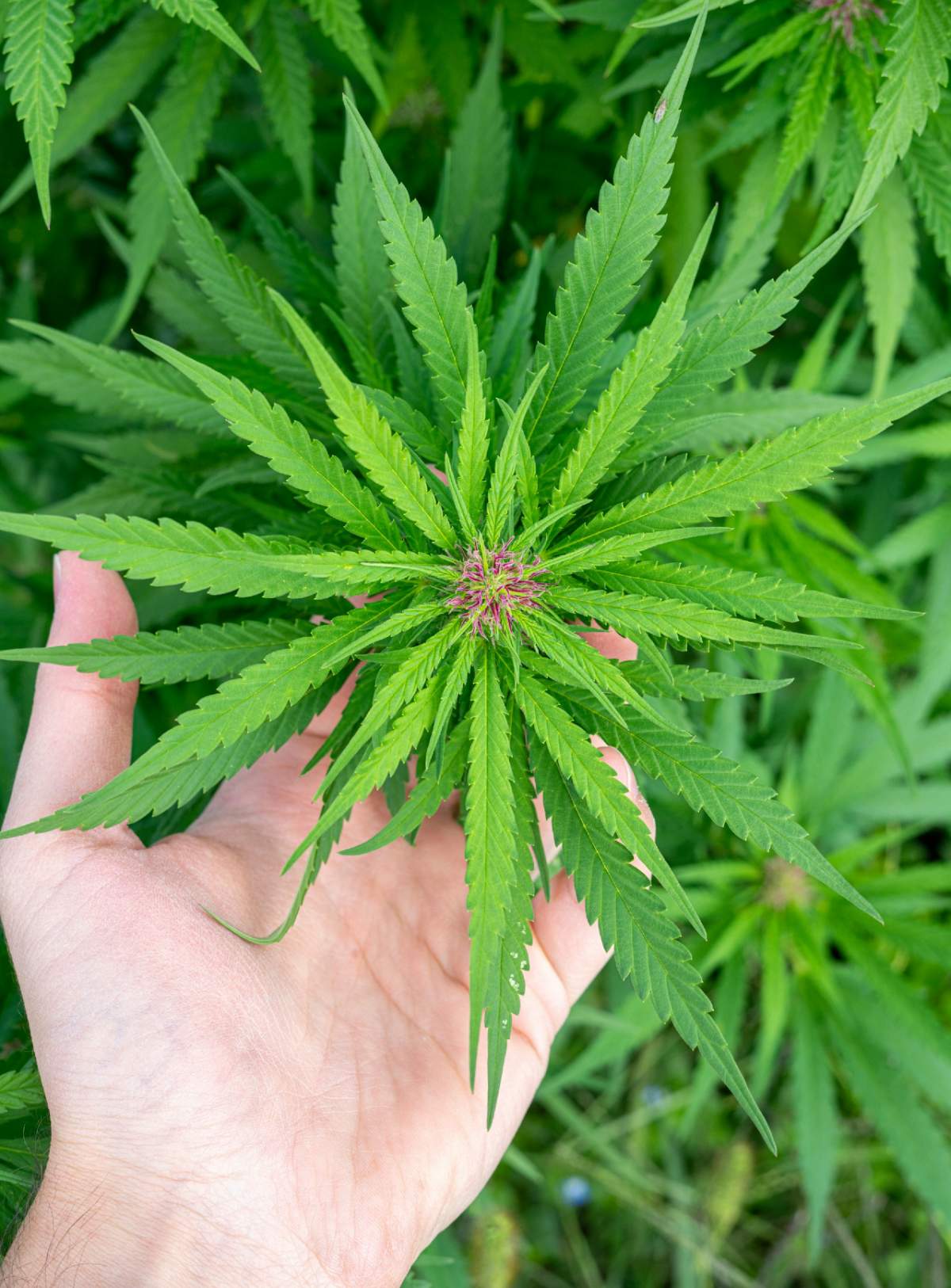
In the Ardèche, Valvi Chanvre grows its various varieties of CBD and CBG cannabis in open fields, in the open air. The plants grow directly in the soil, under natural light and in tune with the changing seasons. The region’s semi-Mediterranean climate, characterised by abundant sunshine, promotes the ripening of the flower heads and the development of their distinctive flavour. This method sets the farm apart from crops grown entirely in greenhouses or indoors.
Cultivation techniques and agricultural expertise
Since 2022, Maxime has been running his farm as a certified organic operation, without using any synthetic chemical treatments on his crops. This organic approach relies on the soil’s natural fertility, maintained by organic matter as well as by the activity of microorganisms and the local fauna. Behind this production lies a third-generation winegrower who has chosen to diversify in response to various climatic and economic uncertainties. As a member of the French Association of Cannabinoid Producers*, he closely monitors developments in the regulatory framework specific to this sector.
This farm deliberately maintains a small area, with less than a thousand square metres under cultivation, which guarantees you better-controlled quality; the decision to operate on a small scale allows for meticulous monitoring of each plant. From seed to full bloom, Valvi Chanvre ensures full traceability of its production. Each variety undergoes an annual analysis carried out by a French laboratory, guaranteeing the advertised quality and compliance with current legislation.
Hand-picked
produce and online shop
The harvest, meanwhile, is carried out by hand, plant by plant, to preserve the integrity of the flower heads that are richest in cannabinoids. After sorting and meticulous defoliation, the drying process is a crucial stage, as it determines the preservation of the aromas, flavour and final quality of the flowers. Ultimately, as a customer, you benefit from rigorous care and attention, from the very first seedlings right through to the finished product, so you can use our organic, Ardèche-grown produce with complete confidence.
You can find our full range of organic CBD products, including CBD and CBG oil, with clearly stated and verified concentrations, directly in our online shop. Our simple and secure online shopping experience means you can have your products delivered quickly to your door.
ValviWeb+
- History of Mayres ↗
- Teiller: “To beat and crush the stems of textile plants (flax, hemp) in order to separate the woody parts from the fibre.” ↗
- Hemp mills in France, Annales des pays de l’Ouest ↗
- Chanvre, the national archives portal ↗
- Hemp: A History Spanning Millennia, PUF Franche-Comté ↗
- French Association of Cannabinoid Producers, AFPC ↗