
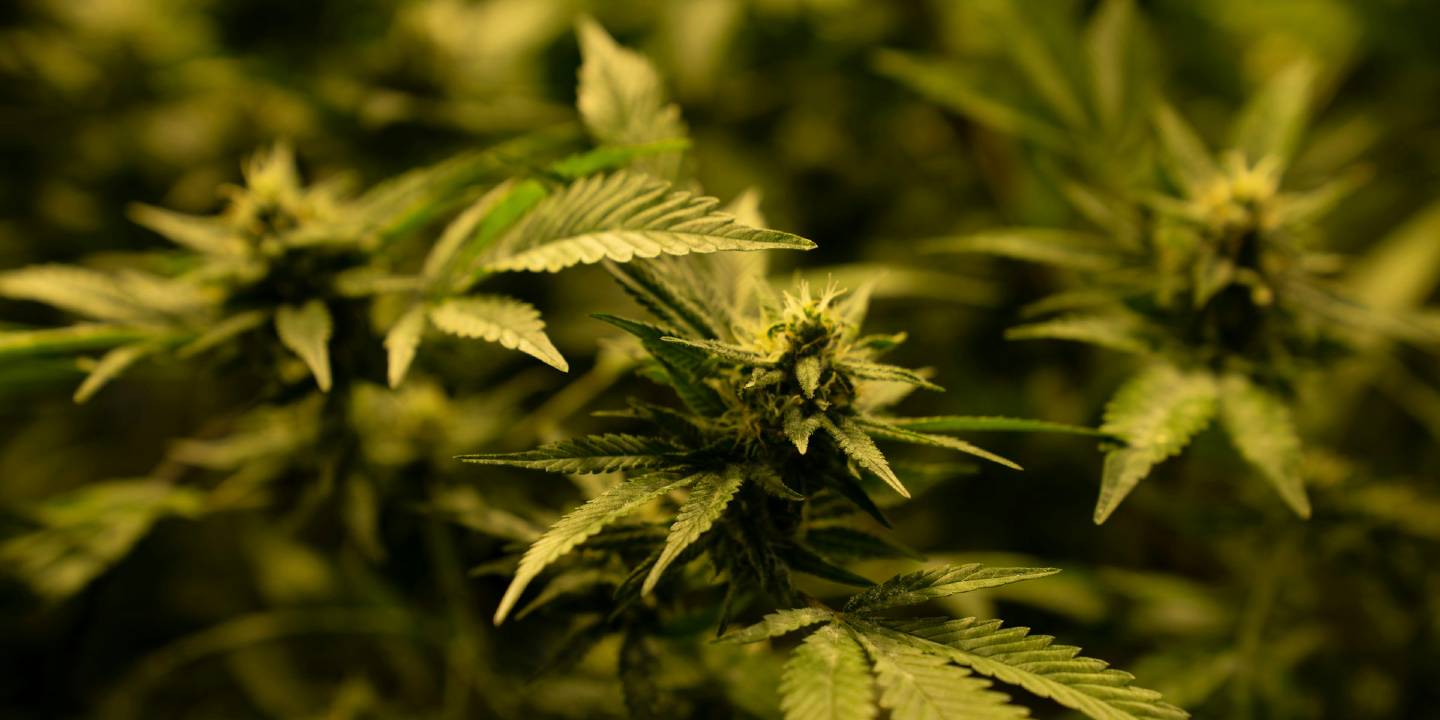
Hemp is one of the plants that has been cultivated for centuries for its rich array of plant compounds, with varieties such as Cannabis sativa selected for their specific profiles. Like other aromatic or medicinal plants used in herbal medicine, the quality of a plant depends on its origin, how it is grown and the conditions in which it develops, from seed to flowering. Organically grown hemp plants can retain a range of naturally occurring plant substances, including cannabinoids, terpenes and the active compounds studied in various research projects.
This additive-free approach to CBD invites us to rediscover hemp as a plant cultivated with its own scents, aromatic profiles and botanical identity – a vision that aligns with the work carried out by Valvi Chanvre on varieties organically grown by Maxime Crozier in the Ardèche.
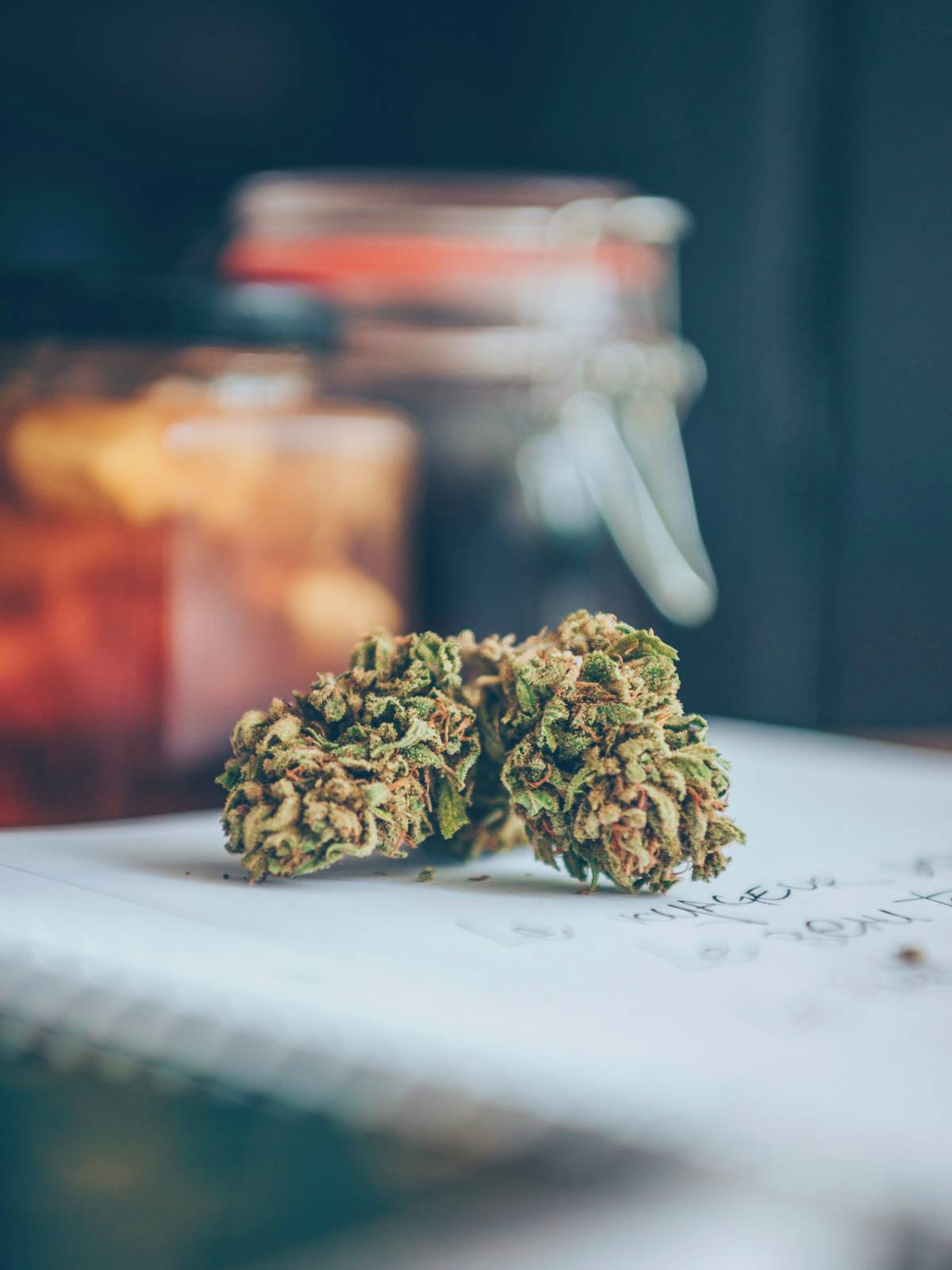
Additive-free CBD: definition and how it differs from artificially enriched products
‘Additive-free CBD’ refers to a flower or extract in which all the compounds come directly from cultivated hemp. No artificial flavourings, synthetic terpenes or isolated cannabinoids are added after processing. This clarifies the concept of a natural product and distinguishes it from artificially enriched formulations.
What the term ‘additive-free product’ covers
A natural, additive-free CBD product refers to a flower or extract in which all the compounds come directly from cultivated hemp. No artificial flavourings, synthetic terpenes or isolated cannabinoids are added after processing.
The distinction from an artificially enriched product is therefore clear: on the one hand, a composition that faithfully reflects what the plant has produced during its growth; on the other, an aromatic profile or cannabinoid concentration that has been deliberately altered, outside of any natural plant process.
Why is this distinction attracting more consumers today?
Many consumers are turning to products that are closer to the original composition of hemp, driven by a desire for transparency and a commitment to the natural aromatic character of the flowers. This trend is part of a wider move towards minimally processed products, whose composition leaves no room for ambiguity regarding the origin of the ingredients – a guarantee of quality and assured provenance.
The benefits of natural, additive-free CBD for a more authentic hemp experience
Choosing a natural CBD product with no additives means opting for a formulation that remains true to the original plant. Cannabinoids, terpenes and active compounds coexist naturally, offering a unique aromatic profile that artificial additives cannot replicate. Discover why this authenticity is appealing to more and more consumers.
A formulation derived directly from the plant
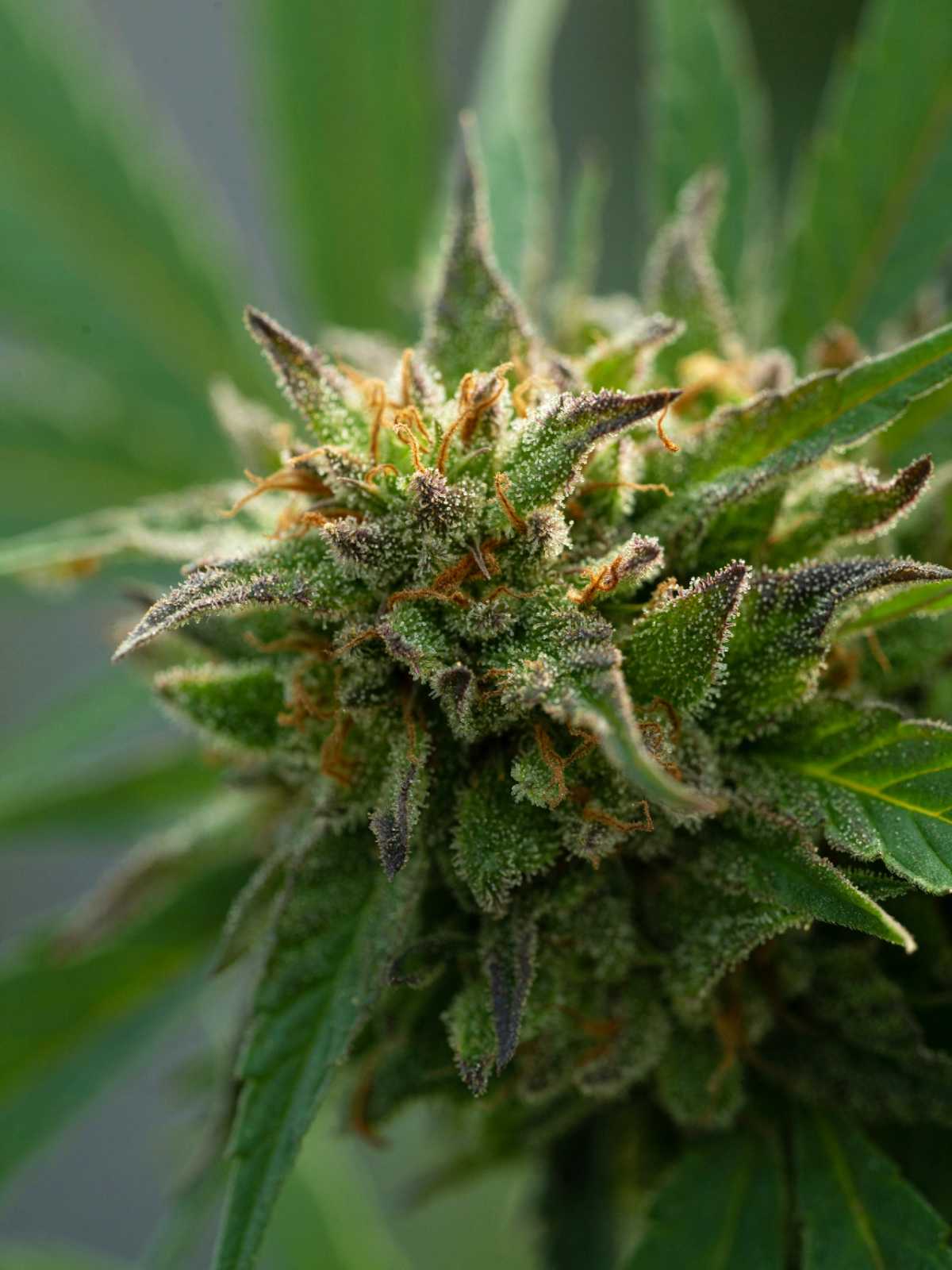
In a product derived from cultivated hemp, every compound detected during analysis originates from the plant itself. The naturally occurring cannabinoids (CBD, CBG and CBN, depending on the variety) coexist with the terpenes responsible for the aromatic profiles specific to each genotype, resulting in sensory combinations that cannot be faithfully reproduced by the artificial addition of isolated molecules.
The role of agricultural work in the development of flavours
Drying, harvesting and growing conditions have a direct influence on the final characteristics of a CBD flower, particularly its appearance and aroma profile. The final quality of the product therefore depends largely on the work carried out by the grower, well before any processing or post-harvest treatment takes place.
Additives in CBD products: why do some consumers seek to avoid them?
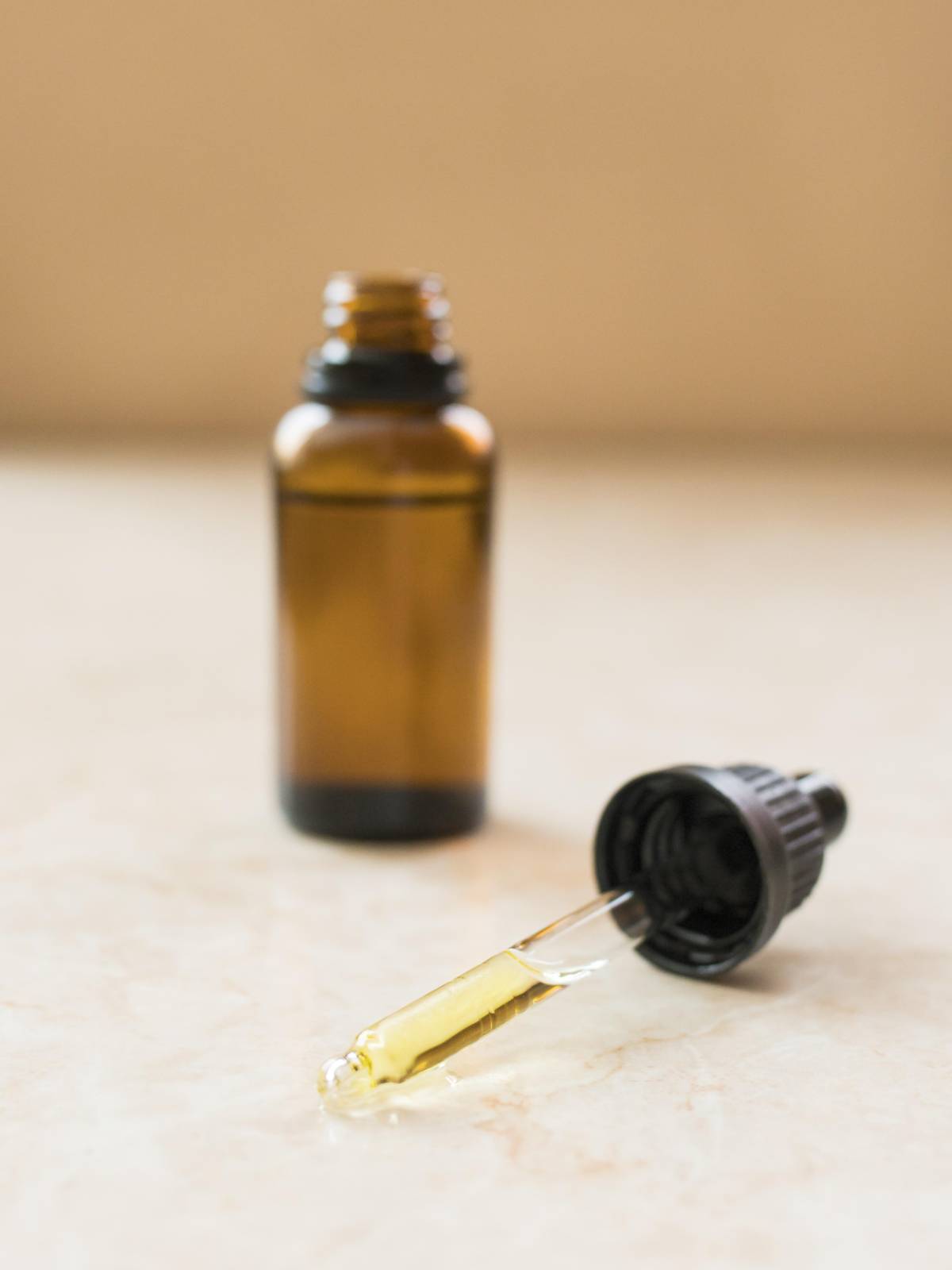
Artificial flavourings, added terpenes, isolated cannabinoids: some CBD products undergo processing that alters their natural composition. These additions can mask the true quality of the flower and raise questions about transparency. Here are the reasons why many consumers now prefer unprocessed products.
The various types of additives used in industry
Some CBD products may be modified after their initial manufacture, with the aim of enhancing their taste, appearance or cannabinoid concentration. These additions typically take the form of artificial flavourings, terpenes reintroduced after extraction, isolated cannabinoids or chemical molecules. A product that has been overly processed gradually loses its connection to the original plant, and its actual composition becomes difficult for the consumer to understand, not to mention the potential health risks.
The distinction is therefore clear: on the one hand, a product that faithfully reflects what the plant has produced during its growth; on the other, an aromatic profile or cannabinoid concentration that has been deliberately altered, outside of any natural plant process.
The limitations of an artificially constructed aromatic experience
The sensory experience of an artificially enriched product may differ significantly from the natural profile of hemp, reflecting industrial formulation choices rather than the characteristics specific to a particular cultivated variety.
A particularly intense aromatic profile is not in itself proof of a naturally high terpene content; it may in fact result from additives intended to mask the true quality of a flower or extract of inferior quality.
The potential risks associated with the use of CBD containing additives
Studies carried out on certain food additives and heated terpenes have highlighted potential effects on the body, particularly on the gut microbiota and the formation of irritant compounds. Although this research does not directly concern CBD, it prompts us to consider the added ingredients.
Scientific research into the potential effects of certain additives
The use of additives in various sectors, particularly in the food industry, is the subject of extensive research into their potential effects on the body. Studies carried out on certain emulsifiers used in food, such as the study by Chassaing and colleagues published in *Nature* in 2015*, have in particular explored their possible influence on the gut microbiota and inflammatory mechanisms.
Whilst these studies do not directly concern CBD products, they illustrate the scientific interest in the effects of certain added substances, depending on their nature, quantity and use.
Concerns regarding heated components in CBD products
CBD products containing added compounds also raise specific concerns when intended for heating. A study published in *Chemical Research in Toxicology* in 2017 by Klager * and colleagues examined the behaviour of certain terpenes and aromatic compounds present in e-cigarette liquids. The researchers observed that heating certain terpenes could lead to the formation of irritating compounds such as aldehydes.
Admittedly, these findings relate to vaping in general and do not establish a risk for all CBD products containing added terpenes, but they underline the importance of assessing the suitability of the components used according to the method of consumption.
Valvi Chanvre: additive-free CBD production based on respect for the plant and its environment
Maxime Crozier has been growing natural CBD hemp in the Ardèche since 2022, using organic farming methods in open fields. His approach aims to preserve the natural characteristics of the flowers, from seed to finished product, with analyses carried out in French laboratories. Find out how he embodies this plant-respecting approach.
An organic farm in the Ardèche
Maxime has been producing natural CBD hemp since 2022 in the Ardèche, on a small-scale farm practising organic farming in open fields. His approach aims to preserve the natural characteristics of the flowers at every stage, from seed selection to the finished product. Each variety is then analysed by a French laboratory to verify the products’ compliance and to objectively document their composition.
Varieties with naturally distinct flavour profiles
The Valvi Chanvre range is a tangible illustration of the aromatic diversity that genetics, terroir and farming practices can produce. To name but a few, here are four varieties worth discovering:
- Blue Meringue is characterised by fruity and creamy notes.
- Goat Butter develops sweet, indulgent notes.
- Reine Orangine has fruity and citrusy aromas.
- The Platinum Panther has a fresh, woody and slightly lemony flavour profile.
How can you tell if CBD is free from additives before you buy it?
Before buying, it is essential to check the labelling to ensure there are no added flavourings, artificial terpenes or synthetic cannabinoids. Traceability, information about the producer and the tests carried out also provide assurances regarding the actual composition. Here are the key factors to consider in order to make an informed choice.
Points to check regarding ingredients and labelling
Before placing an order, you should read the list of ingredients carefully and check that there are no added flavourings, artificial terpenes or synthetic cannabinoids. The information available about the producer, their cultivation methods and the tests carried out will then give you a better understanding of the product’s actual composition and the approach taken during its manufacture.
The key criterion of traceability
Full traceability from seed to finished product ensures that every stage of production has been carefully managed and documented. A direct relationship with a grower provides a better understanding of the decisions made regarding each variety, from cultivation methods right through to the final characteristics of the product. This provides further insight for customers who wish to know the origin and journey of the hemp they choose. From grower to consumer, communication is fundamental, offering the possibility of a clear and personalised response.
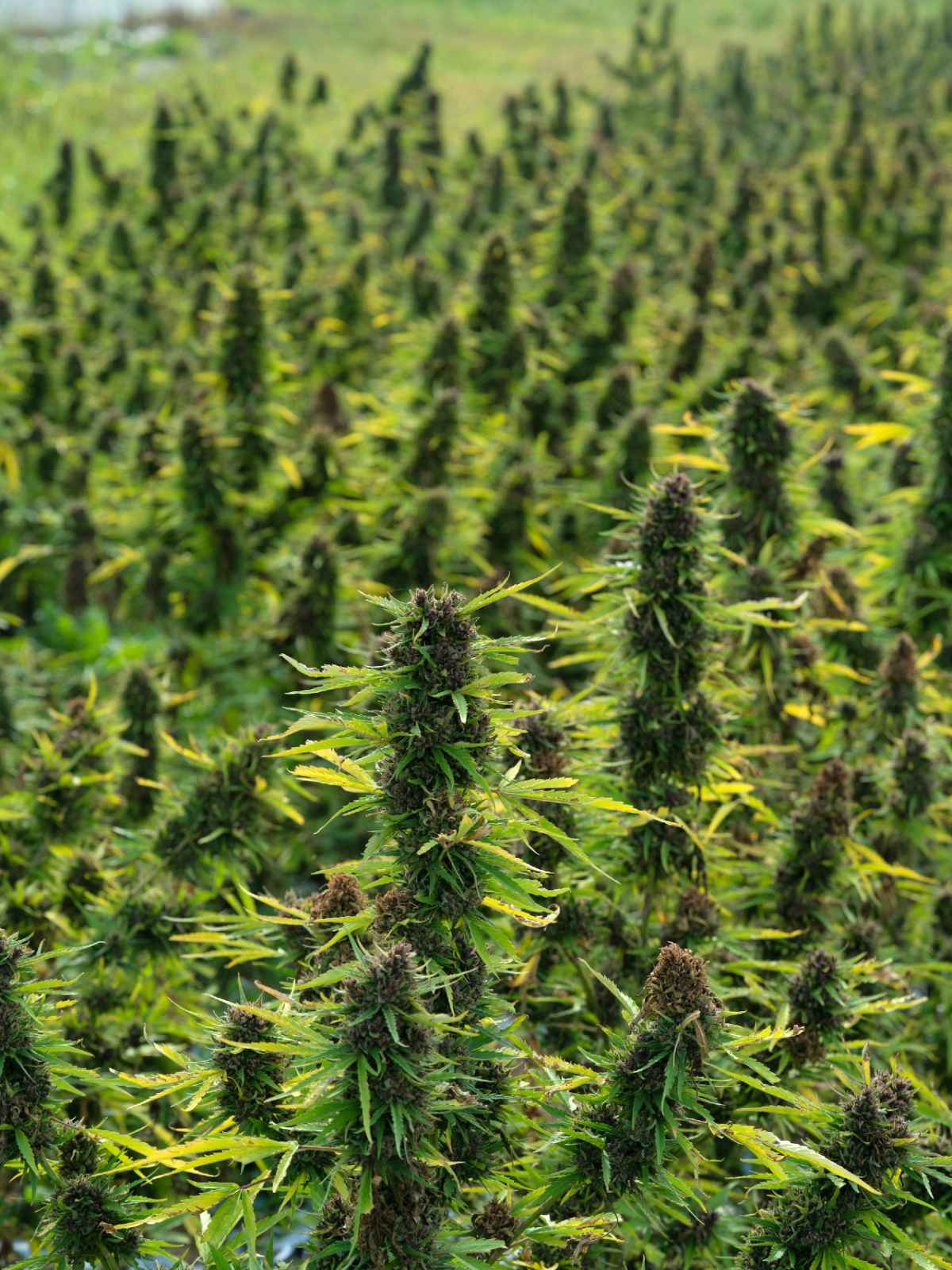
The final quality of an organically grown CBD flower depends largely on the agricultural expertise developed at an early stage. Small-scale producers such as Valvi Chanvre place this approach at the heart of their operations, paying particular attention to the work carried out on the plant itself, to produce natural, additive-free CBD that meets consumer expectations.
Frequently Asked Questions (FAQ)
What is additive-free CBD?
Additive-free CBD is a flower or extract in which all the compounds come directly from cultivated hemp, with no artificial flavourings, synthetic terpenes or isolated cannabinoids added after processing.
Why should you avoid additives in CBD?
Additives can mask the flower’s true quality, alter its natural flavour profile and raise concerns about long-term effects, particularly when heated.
How can you tell if CBD is free from additives?
Check the labelling to ensure there are no added flavourings, artificial terpenes or synthetic cannabinoids. Choose producers who are transparent about their cultivation methods and laboratory analyses.
➡ Discover our range of additive-free CBD products made from organic hemp.
ValviWeb+
- Consumption of food additives during pregnancy: effects on the offspring’s microbiota that promote inflammatory diseases, INSERM ↗
- Inflammatory and Oxidative Responses Induced by Exposure to Commonly Used E-Cigarette Flavouring Chemicals and Flavoured E-Liquids without Nicotine, PMC ↗
- A review of constituents identified in e-cigarette liquids and aerosols, Tobacco Prevention ↗
- Organic certification, plants and CBD: from cultivation to consumption – what really changes, L’Herbeurie