
Today, hemp is mainly the subject of discussions about recreational cannabis – which is illegal in France – or the benefits touted by CBD enthusiasts. Yet this plant, in all its diversity, has been part of civilisations for millennia, extending far beyond contemporary debates about its uses in relation to wellbeing. Examining this long historical trajectory reveals a little-known and fascinating aspect of a natural and universal resource.
The prehistoric origins of hemp
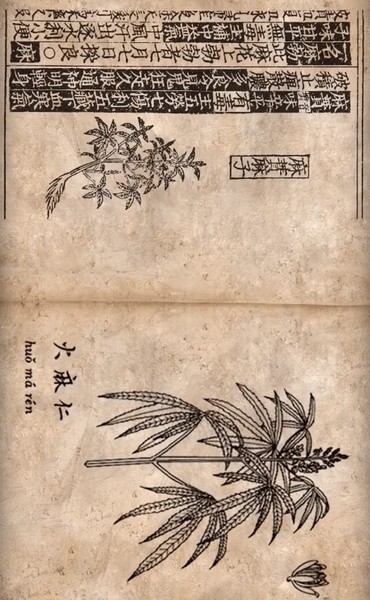
Hemp is one of the very first plants to have been domesticated by humans, as early as the Neolithic period, first in Asia and then in Eastern Europe, and is used for its textile fibres, nutritious seeds and medicinal resin.
Early domestication in Asia
Excavations carried out at the Xianrendong* site in China have uncovered pottery decorated with twisted hemp fibres, dating from around 8,000 BCE. These remains place China amongst the oldest centres of hemp cultivation.
However, there is no consensus on this matter; indeed, according to several researchers, the original cradle is thought to lie in the plains of Central Asia, near Lake Baikal, or in the foothills of the Himalayas.
A spread driven by nomadic peoples
Around 8,000 BCE, evidence of weaving also began to appear in Kazakhstan, indicating a rapid spread westwards. The Scythians, a nomadic people of the Eurasian steppes, contributed significantly to this expansion during their successive migrations.
Around 500 BCE, the Greek historian Herodotus described their ritual steam baths, which were created by burning hemp seeds on heated stones. Dating back nearly 26,900 years*, ropes found in Central Europe also illustrate the unexpected antiquity of this weed.
Key dates in prehistory (Pleistocene)
Hemp in ancient and medieval civilisations
The great ancient civilisations recognised the value of hemp very early on, both for its strong fibres and for its medicinal properties, from Pharaonic Egypt to Imperial China, and right through to the medieval Arab Mediterranean world.
Widespread medicinal use
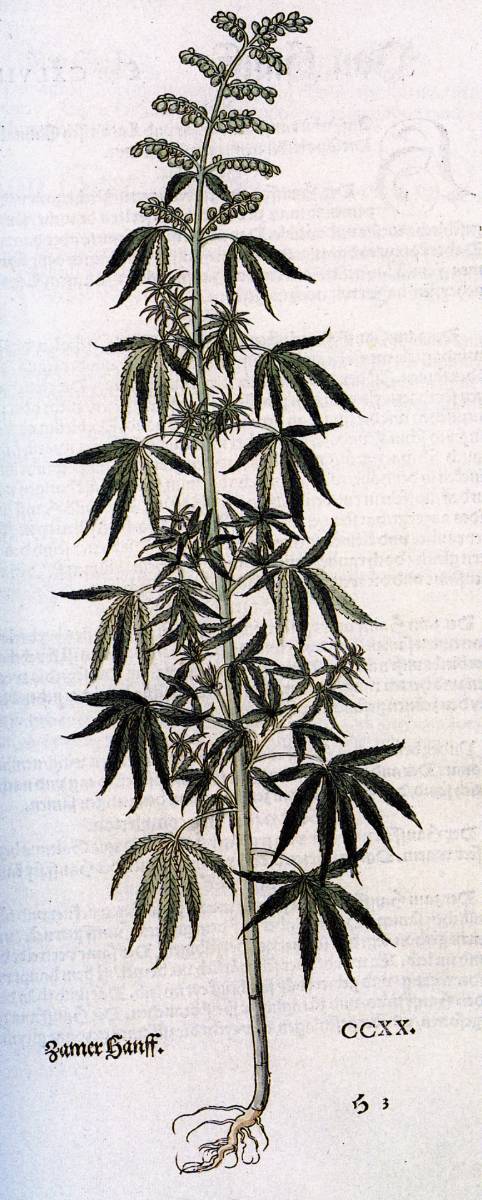
The Ebers Papyrus*, written in Egypt around 1,500 years before our era, already mentions hemp seed oil as a remedy for certain inflammations. In China, the Shennong Bencao Jing treatise lists hemp amongst the substances that prolong life. In the first century, the Greek physician Dioscorides described its properties in a work devoted to medicinal plants*. This therapeutic aspect then persisted throughout the Middle Ages, notably thanks to Abbess Hildegard of Bingen, who recommended hemp for “digestion, the humours, nausea and stomach support”*.
A plant of strategic importance for trade and knowledge
The Romans introduced the cultivation of hemp to Gaul in the second century, alongside rye and vetch.
Later, Arab scholars perfected the art of papermaking using hemp fibres, a technique they had learnt from Chinese prisoners following the Battle of Talas. This major innovation subsequently facilitated the spread of scientific and religious manuscripts throughout Al-Andalus.
In 1456, the famous Gutenberg Bible was printed on paper made largely from hemp, marking a turning point for European printing.
From Antiquity and the Middle Ages
- The Ebers Papyrus provides evidence, dating back to 1,500 BCE, of the medicinal use of hemp in Egypt.
- The Arabs set up their first hemp-paper mills in Andalusia in the 11th century.
- The Gutenberg Bible, printed in 1456, was made using paper produced from hemp fibres.
The golden age of textile and industrial hemp
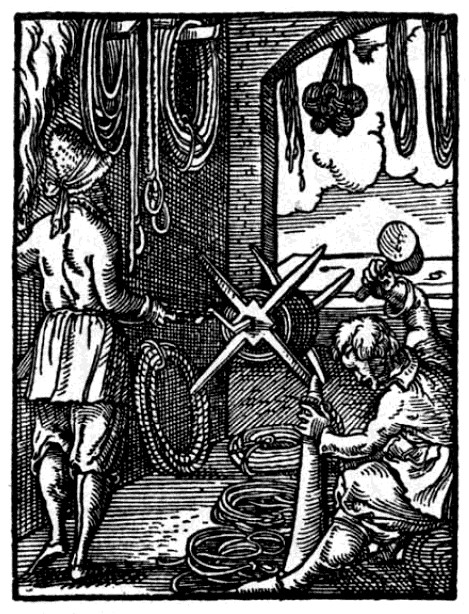
From the 17th to the 19th century, hemp became a major strategic resource for the European maritime powers, which relied almost entirely on it for their ropes, sails and paper.
The dominance of hemp in sailing ships
In France, Colbert founded the Royal Rope Works at Rochefort-sur-Mer in 1666, with the aim of securing supplies for the navy.
A century earlier, Christopher Columbus was already sailing aboard caravels rigged with dozens of tonnes of sails and hemp ropes.
This resource thus became a genuine geopolitical issue, comparable to coal or oil in the centuries that followed.
A culture that is taking hold in the American colonies
It is worth noting that George Washington personally cultivated hemp on his Mount Vernon estate, as evidenced by his personal notes from 1765. In 1794, he explicitly instructed his labourers to sow Indian hemp seeds wherever possible.
Still across the Atlantic, the Canadian government also encouraged this crop through grants and the distribution of seeds to farmers from as early as 1801.
The Golden Age of Seafaring
- Venice and Genoa standardised the cultivation of hemp to ensure the quality of rigging and ropes in the Middle Ages.
- Colbert established the Royal Rope Works at Rochefort-sur-Mer in 1666 to supply the French navy.
- George Washington encouraged the cultivation of Indian hemp from his estate in Virginia in the late 18th century.
The decline, confusion and revival of hemp
From the 20th century onwards, two distinct uses of hemp became conflated in the public mind: namely, the textile fibre grown in temperate climates and the psychoactive cannabis grown in warmer regions.
A plant that has gradually come to be associated with drugs
The Marihuana Tax Act, passed in 1937 in the United States, imposed heavy taxes on the production and sale of hemp, including for industrial uses. This legislation was underpinned by a propaganda campaign fuelled by the cotton, nylon and emerging oil lobbies.
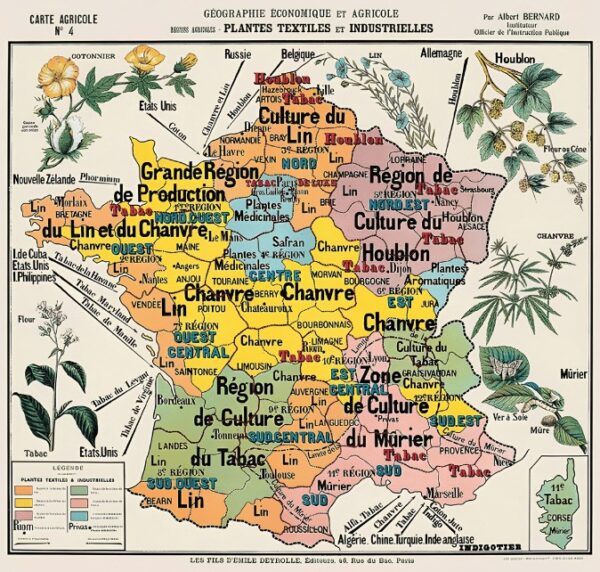
In France, the area under cultivation fell from 176,000 hectares in 1840 to just 3,400 hectares in 1939.
The 1961 International Convention finally classified industrial hemp as a controlled narcotic, despite its very low THC content.
A renaissance driven by environmental concerns
The Marihuana Tax Act, passed in 1937 in the United States, imposed heavy taxes on the production and sale of hemp, including for industrial uses. This legislation was underpinned by a propaganda campaign fuelled by the cotton, nylon and emerging oil lobbies.
In France, the area under cultivation fell from 176,000 hectares in 1840 to just 3,400 hectares in 1939.
The 1961 International Convention finally classified industrial hemp as a controlled narcotic, despite its very low THC content.
The textile hemp sector in France is currently experiencing a genuine renaissance. Driven by environmental concerns and the quest for industrial self-sufficiency, France — which is already Europe’s leading hemp producer — is actively rebuilding its value chain for the clothing industry, a sector of expertise that had almost completely disappeared during the 20th century.
Hemp, the raw material for CBD
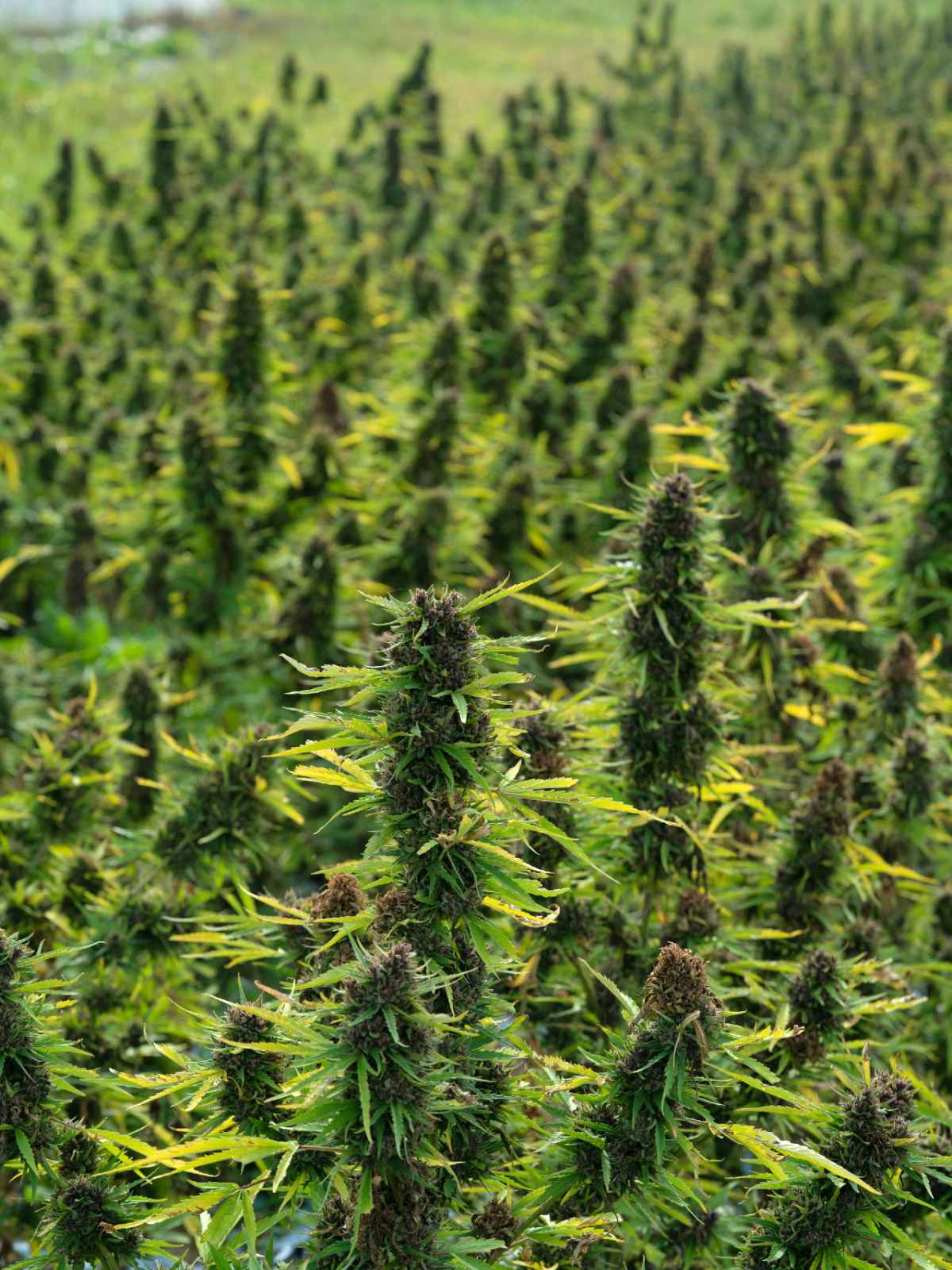
Some varieties of hemp with a low THC content are also grown to produce cannabidiol (CBD), a cannabinoid extracted mainly from the plant’s flowers and leaves.
In France, the cultivation of Cannabis sativa L. varieties that comply with the regulatory THC limits is permitted on the basis of the official seed catalogue, as is the marketing of certain CBD products in accordance with the applicable regulations.
For example, Valvi Chanvre in the Ardèche is a prime example of this new sector: the farm, which has been primarily a vineyard for several generations, has been growing several varieties of hemp for CBD and CBG since 2022, using organic farming methods in open fields, and sells its flowers directly to both trade customers and consumers.
Decline and slow revival
- The Marihuana Tax Act of 1937 led to a rapid collapse in industrial hemp cultivation in the United States.
- The area of cultivated land in France fell from 176,000 hectares in 1840 to just 3,400 hectares in 1939, and now stands at nearly 25,000 hectares.
- European figures: France accounts for nearly 50 per cent of the European Union’s* hemp-growing area.
This long history – encompassing its use as a textile fibre, a food source and for medicinal or psychotropic purposes – illustrates the richness of a multifaceted plant that has long been, and is still often, misunderstood.
FAQ & hemp
Which part of the hemp plant is used to make materials?
The stem primarily provides two raw materials: fibre, used in particular in textiles and composites, and shives, the central part used in insulation and hempcrete.
What are hemp seeds used for?
The seeds, known as hemp seeds, are used for human and animal consumption. In particular, they can be eaten whole or processed into oil, flour and other food ingredients.
What is hemp shives?
Hemp shives are the central, woody part of the stalk remaining after the fibres have been separated. Lightweight and absorbent, they are particularly used as a raw material in the construction industry.
When is industrial hemp sown and harvested?
In France, sowing generally takes place in the spring. Depending on the intended market, harvesting may begin as early as mid-August or take place later, particularly in September.
ValviWeb+
- Xianren Cave, Wikipedia↗
- Early Pottery Dating Back 20,000 Years in Xianrendong Cave, China, Science↗
- Industrial Hemp: Production and Uses, Editions France Agricole↗
- https://fr.wikipedia.org/wiki/Histoire_du_chanvre
- steam baths made from burnt hemp flowers and the confusion of the participants, Herodotus, Histories (Book IV), translated by P. E. Legrand ↗
- The story of this 3,500-year-old Egyptian papyrus – the only one of its kind in the world – is told in a documentary, *Historia↗*
- Medical cannabis, La Fleur↗
- *Physica* or *On Nature*, Hildegard of Bingen, Wikipedia↗
- Hemp: Some Key Dates by Chiara Mongioví and Grégorio Crini, OpenEdition↗
- The History of Hemp, Potagers d’Antan↗
- Hemp, sector factsheet, FranceAgriMer↗
- France: a leader in hemp cultivation, InterChanvre↗
- Xianren Cave, Wikipedia↗