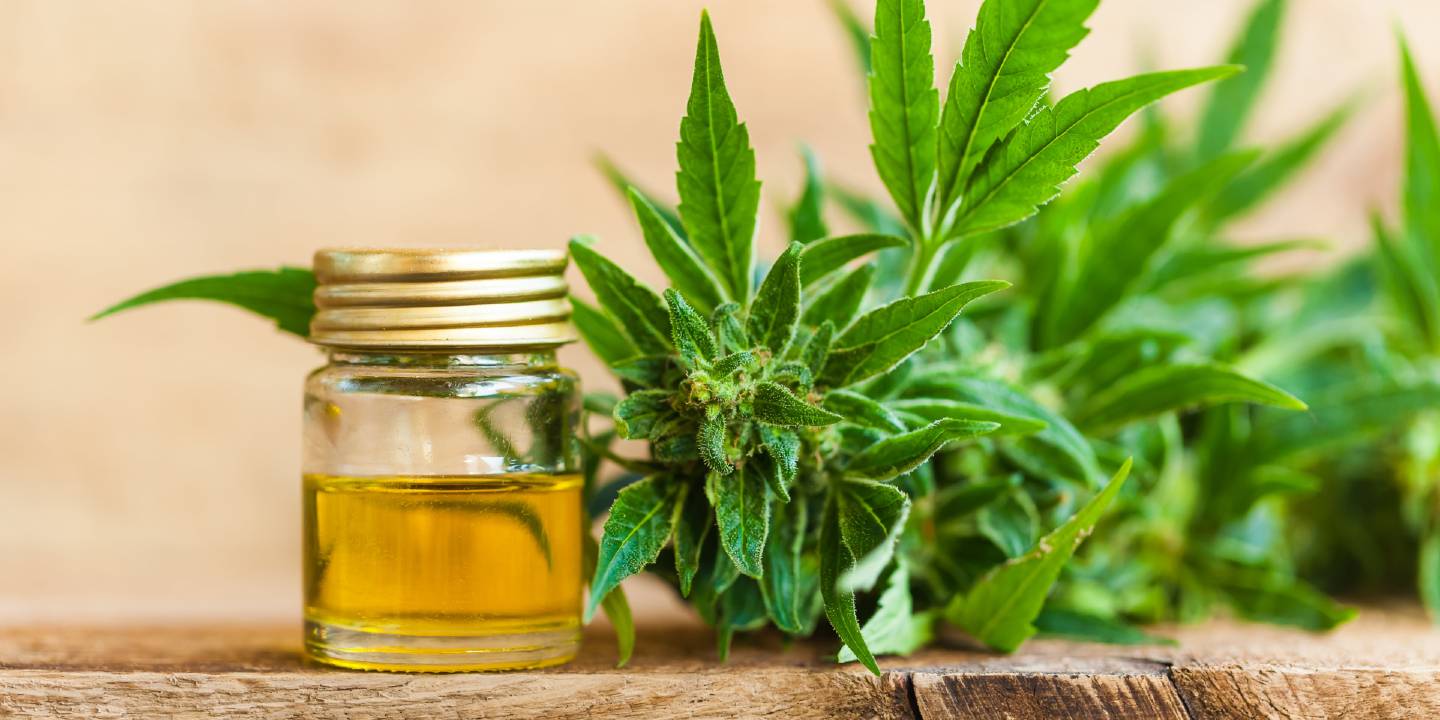
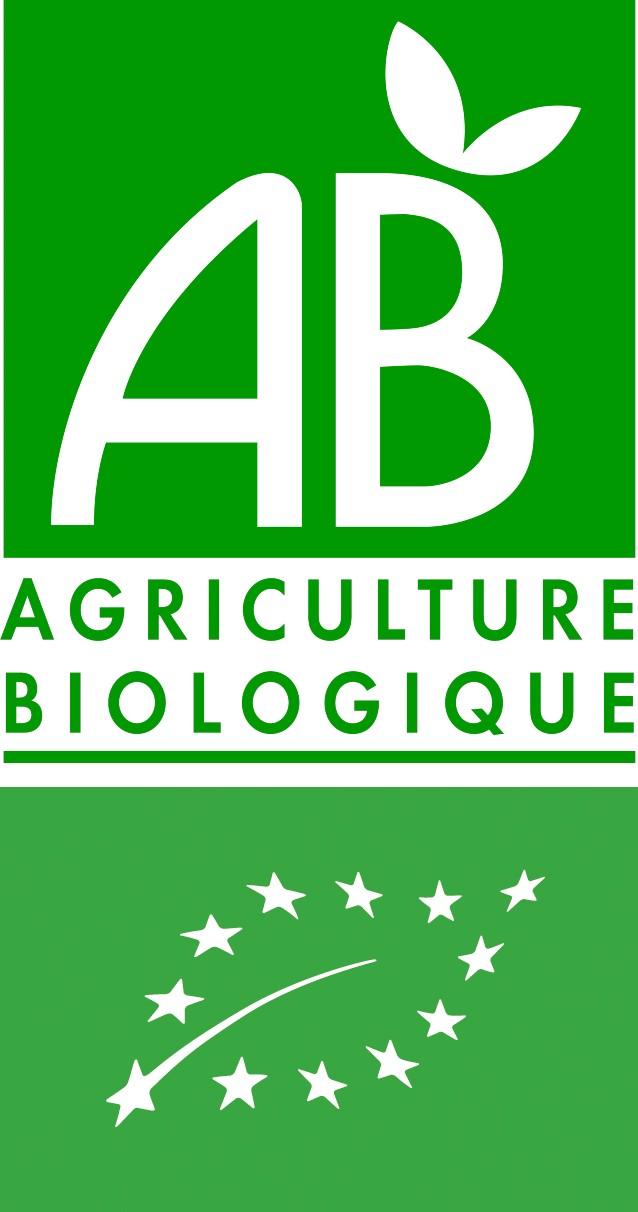
Whether on the shelf of a specialist shop or in the family’s herb drawer, the small green logo with twelve stars often goes unnoticed. Yet, whether it’s a CBD hemp flower or a thyme herbal tea, this label tells a whole story: that of the soil, the farmer and a chain of decisions that begins long before the harvest.
The organic label: certification of the production process
We sometimes tend to view the organic label as merely a certificate of good practice. In reality, it is far more stringent and far more specific than that. European Regulation 2018/848*, which governs organic farming within the EU, sets out clear requirements: a ban on GMOs, synthetic pesticides and chemical base fertilisers. Above all, however, it requires full traceability of production, from soil preparation right through to the packaging of the finished product.
In France, the INAO* (National Institute for Origin and Quality) oversees the scheme, delegating inspections to accredited certification bodies (such as Ecocert, Bureau Veritas, Certipaq or Qualisud) depending on the region and sector. Each certified producer is audited at least once a year, with laboratory analyses forming part of the process. Obtaining the coveted logo certifying organic status does not happen overnight: producers must undergo a conversion period of at least two years, during which organic practices are already in place but certification has not yet been granted.
What the label does not guarantee, however, is the intrinsic quality of the plant, its richness in active ingredients, its aroma or its effects. It certifies a method of production, not a specific outcome. This is a fundamental distinction that consumers would do well to bear in mind when choosing a product and finding out about the producer.
Key figures for organic farming in France
- 1985: introduction of the ‘Agriculture Biologique’ (AB) label in France;
- 2010: the European ‘Euroleaf’ logo becomes mandatory;
- 2022: at least 20 per cent of products in canteens must be organically farmed (the EGALIM Act*);
- 2024: around 10 per cent of France’s agricultural land is farmed organically, amounting to more than 61,000 farms, which represent 2.69 million hectares and 17.3 per cent of all farms;
- 2025: 21 per cent of France’s utilised agricultural area to be under organic farming by 2030, as set out in the Framework Act.
Why is hemp such a unique plant?
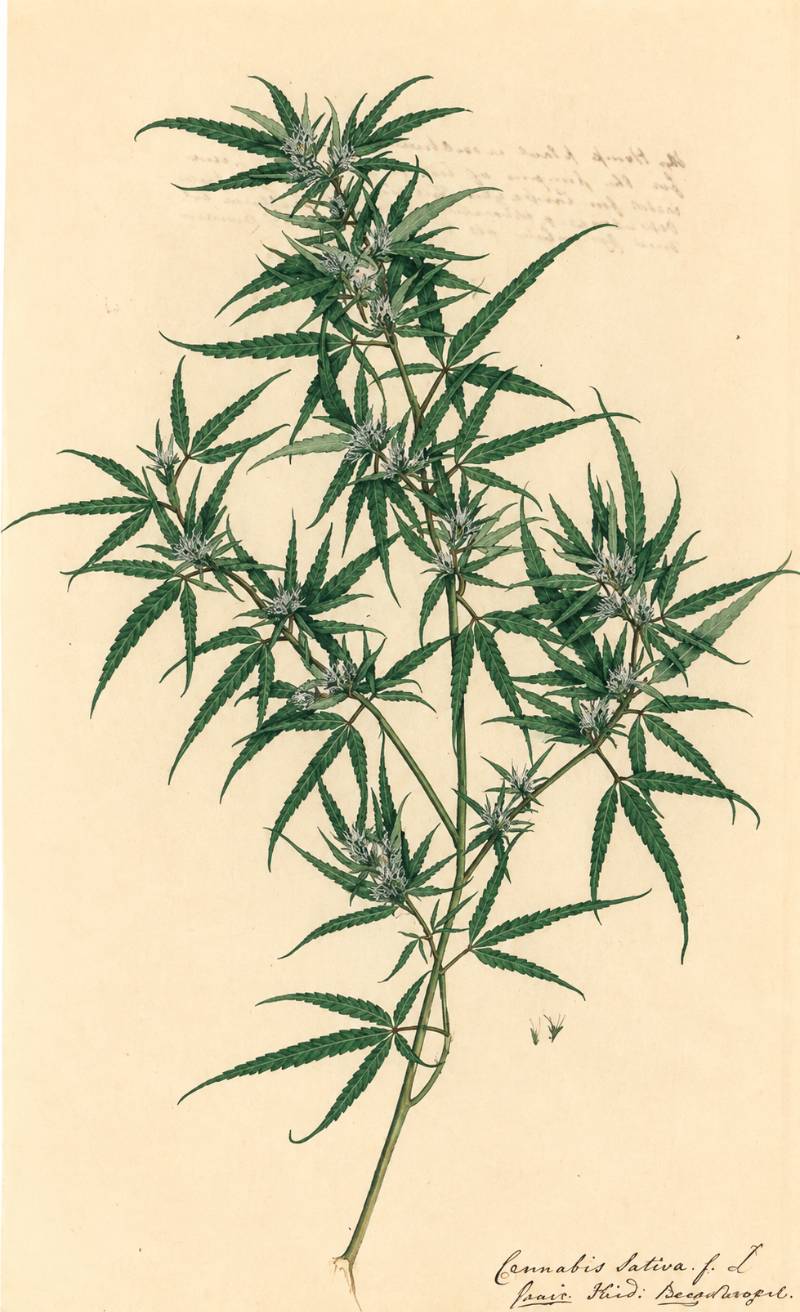
Not all plants are equally resilient to intensive farming practices. Some act as filters, whilst others accumulate pollutants. Hemp (Cannabis sativa L.) belongs to a particularly vulnerable category: that of bioaccumulators*.
In practical terms, its deep roots and active metabolism absorb whatever is in the soil – both the good and the bad. This includes beneficial minerals if the soil is healthy, but also heavy metals, pesticide residues or persistent organic pollutants if the soil has been treated or contaminated in the past.
For consumers of dried CBD flowers or herbal teas, this factor is by no means insignificant. A flower grown without direct treatment but in soil contaminated with chemical residues may contain undesirable traces. Organic farming, by requiring rigorous monitoring of soil quality and banning synthetic inputs over the long term, significantly reduces this risk.
This reasoning applies, in fact, to all dried medicinal plants and extends beyond agricultural produce. Traditional herbal medicine has always recognised this: the quality of a lemon balm infusion or a lavender herbal tea begins in the soil where the plant grows, is shaped by the care taken during harvesting, and is preserved through controlled drying. Organic farming is not a dogma; it is a matter of consistency.
Key points: organic + hemp
- Hemp can accumulate certain substances present in the soil, particularly heavy metals, which makes the quality and history of the plot particularly important.
- For CBD flowers, the soil is therefore a factor in the quality of the product, just like the variety grown, the harvest and the drying process.
- Organically grown CBD flowers should therefore be understood as the result of a carefully controlled production chain, from the selection and monitoring of the plot right through to harvesting, drying and packaging.
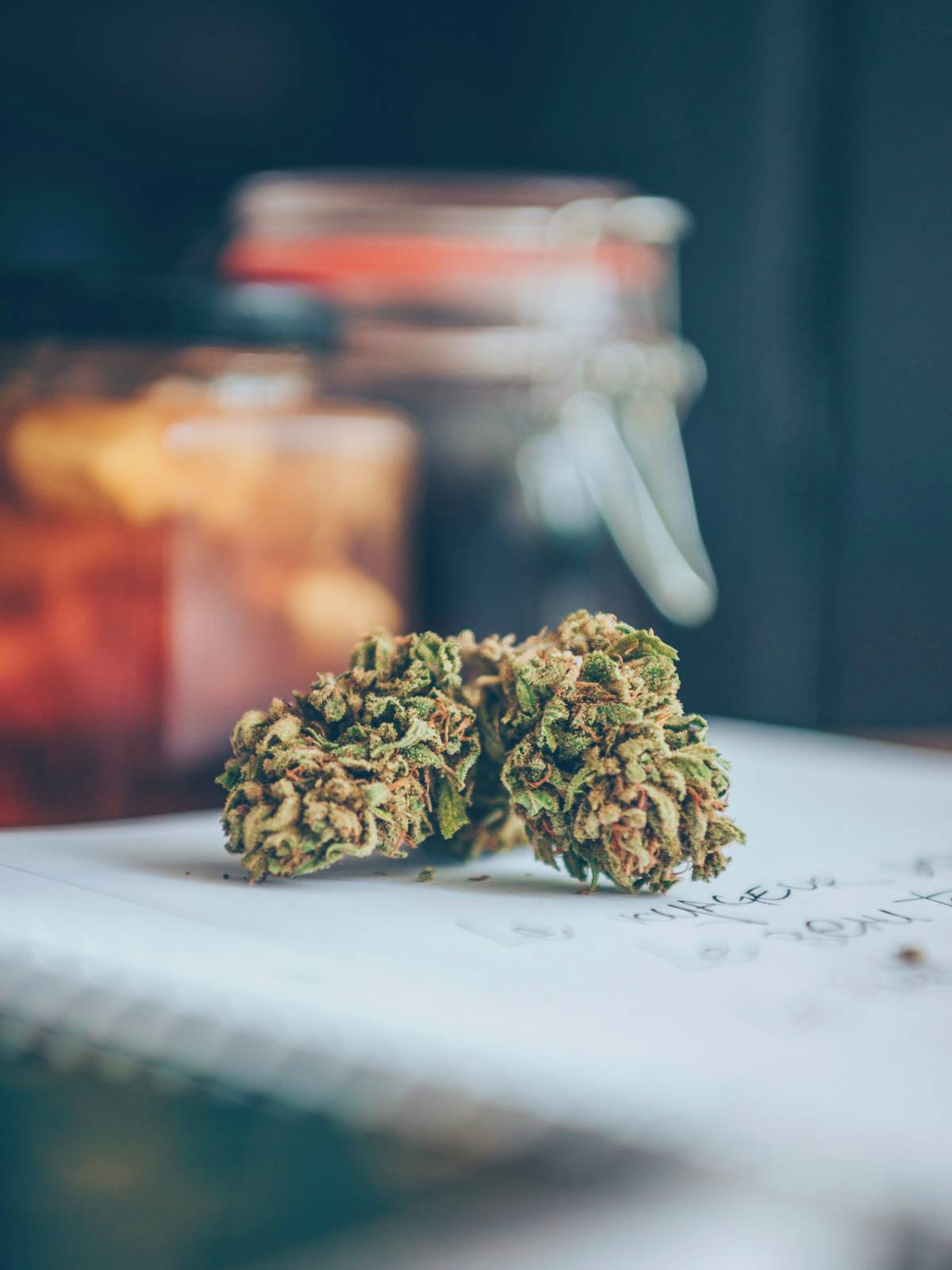
From soil to flower: the journey of certified organic produce
Tracing a dried plant – a certified organic CBD flower – from its very beginnings right through to when it goes on sale helps you understand just how important every stage is.
Seeds are the first step in the process. In organic farming, they must be untreated and, as far as possible, sourced from certified production. For hemp, the varieties authorised in France are listed in the official European catalogue; this is an additional constraint that limits the producer’s choices but guarantees a stable and legal genetic framework.
Organic farming then employs natural protection techniques: encouraging beneficial organisms (predatory insects, floral biodiversity), practising crop rotation to prevent soil depletion, and using organic fertilisers. These practices require more time and observation than conventional chemical treatments; they also demand a detailed understanding of one’s land.
Harvesting and drying are stages that are often underestimated or poorly understood. For CBD flowers, slow drying at a low temperature and away from light preserves the terpenes*, those aromatic molecules that give each strain its characteristic smell and taste, and which play a role in the user experience. Drying that is too rapid or at too high a temperature irreversibly degrades these volatile compounds.
Processing and packaging complete the cycle. For a final product (dried flower, oil, extract) to bear the Euroleaf logo, every link in the chain must be certified. An organic producer who entrusts their harvest to an uncertified extractor loses the right to use the ‘organic’ label on their processed product.
The life cycle of a flower
The quality of an organic CBD flower is built up at every stage, from seed to storage.
- Seeds: in organic farming, seeds must comply with the rules of organic farming, and hemp seeds must belong to authorised varieties listed in the European catalogue;
- Farming: Organic farming emphasises prevention, crop rotation and natural methods of pest control.
- The soil: Soil fertility and biological activity are central to organic farming.
- Harvesting and drying: these stages affect the preservation of the cannabinoids and terpenes in the flower.
- Storage: the right conditions help to preserve the flower’s characteristics after drying.
The French grey area: when the INAO (had) said no
This is where the story gets complicated, and where French consumers deserve clear information.
In France, the INAO* adopted a restrictive stance in 2021: it refuses to certify CBD-based processed products (oils, resins, extracts, etc.) as organic on the grounds that hemp for food or wellness purposes is not explicitly listed in the annexes to the European Treaty, which forms the basis of agricultural law. This decision had created a paradoxical situation: a farmer can be certified as organic for their hemp crop, but the oils or extracts derived from that same crop cannot legally bear the organic farming logo in France…
The Professional Hemp Association (SPC) challenged this position before the Council of State in 2022, arguing that it contravenes European regulations and unfairly penalises a rapidly growing sector. In 2023, the INAO changed its stance, accepting raw hemp flowers and leaves but not CBD-based food products.
The outcome of this appeal is being closely monitored by stakeholders in the sector. In July 2025, the Council of State decided to refer the matter to the Court of Justice of the European Union (CJEU) to seek clarification on the status of CBD in organic farming before handing down its final decision.
For the consumer, this distinction is crucial: a producer who labels a CBD oil as ‘organically grown’ is not necessarily acting in bad faith; their crop may well be genuinely certified. However, under current French law, the display of the European logo on the processed product remains legally questionable. Transparency in this case depends on indicators other than the logo alone.
A chronological overview of the legal status of CBD
- 2021: the INAO adopted a restrictive stance, refusing to grant organic certification for flowers, leaves and CBD-based products.
- 2023: a change for raw hemp – hemp flowers and leaves can now be certified as organic. Processed CBD remains at the heart of the dispute: the INAO is standing by its position regarding CBD intended for ingestion and food products containing it.
- July 2025, referral to the CJEU: the Council of State asks the CJEU to clarify whether CBD falls within the scope of the European organic certification scheme.
- 2026: the decision is not yet final: Case C-495/25 is still pending; the Advocate General delivered his Opinion on 11 June 2026, prior to the CJEU’s final judgment.
Read the label, choose wisely
With such a vast array of specialist shops, online retailers and markets to choose from, how do you know where to start? Here are a few practical pointers.
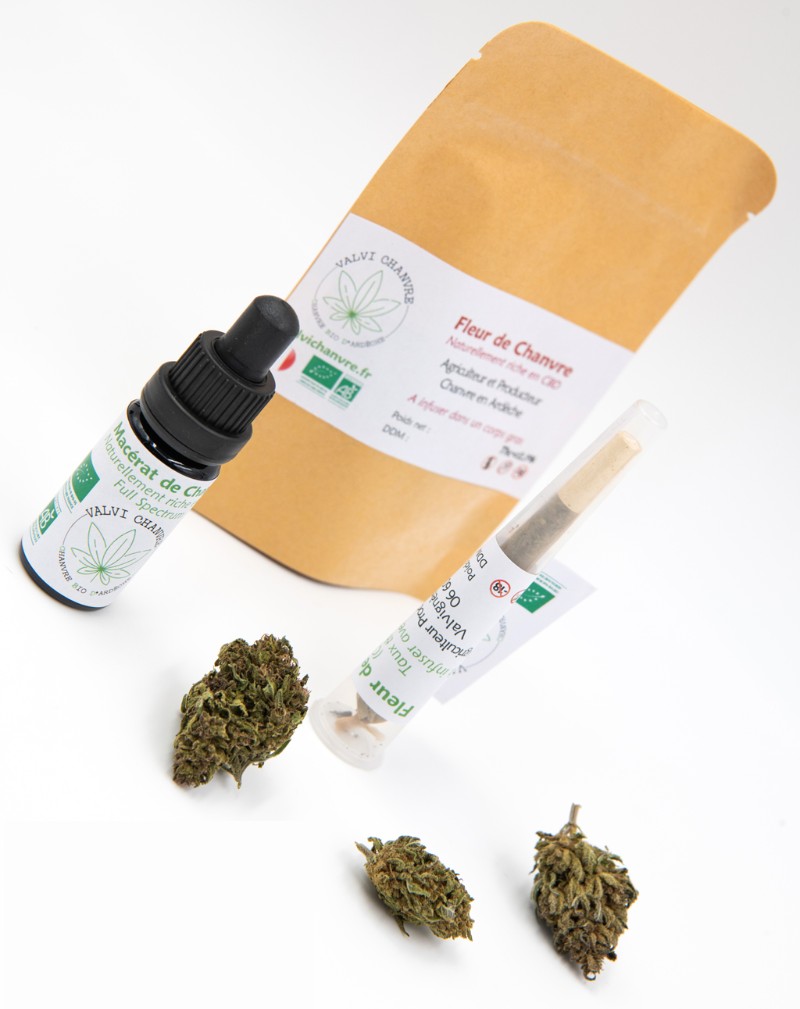
The Euroleaf logo, accompanied by a certification number, remains the benchmark for organic farming. This number enables you to find the organic producer in the INAO’s public database and to verify the authenticity of the certification. A logo on its own, without a number, proves nothing.
COAs, or Certificates of Analysis, are the relevant supporting documents. These documents, issued by independent, accredited laboratories, analyse the product’s full profile: CBD and THC levels, and the presence or absence of pesticides, residual solvents, heavy metals and mould. A reputable producer makes these available without being asked, often via a QR code on the packaging, the website or on request.
Vague claims that should be taken with a pinch of salt: ‘natural’, ‘artisanal’, ‘pesticide-free’, ‘pure’… these terms are not governed by any regulatory framework and are only morally binding on the person making them. They may be true, but they do not constitute a verifiable guarantee.
5-points checklist
- The Euroleaf logo is visible, along with the certification number;
- A recognised certification body (Ecocert, Bureau Veritas, etc.);
- A recent COA (less than one year old), available freely or on request;
- Origin specified as France or the EU (traceability of the country of production);
- No therapeutic claims on the packaging (a sign of legal compliance).